
Project Management Construction Industry: A Practical Guide
Project management construction industry work needs strong control. Learn the methods, the PMI standards and the skills that keep every build on track.
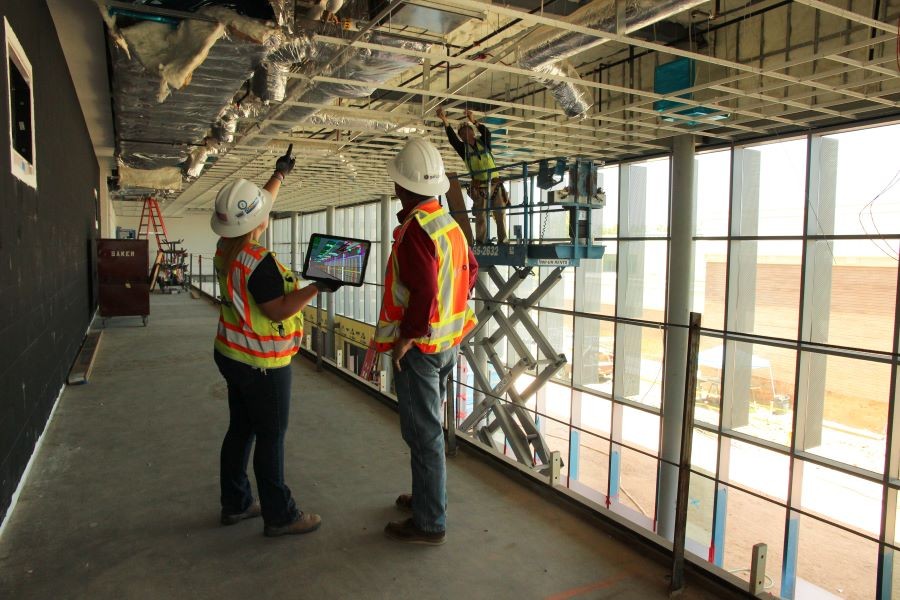
Strong project management construction industry skills shape every build. Each project needs a clear plan, since teams must meet stakeholder goals on time. A construction project manager guides the work from early design to the final handover. This person also oversees the direction, the rules and the daily supervision of each site.
Why Project Management Construction Industry Skills Matter
Most builds involve careful planning of tasks, budgets and tight timelines. Crews must also weigh stakeholder hopes against real limits. For homes or offices, planners must allow for weather, supplier delays and legal disputes. Weak control can push a project over budget and behind schedule. As a result, the final result may fall short.
High risk sites raise the stakes even more. Owners can face large financial losses when control breaks down. They may also suffer a damaged reputation and wasted resources. Therefore strong oversight protects both the budget and the brand.
A 2017 study by Haron and colleagues stressed this need on a national scale. The authors linked poor practice to collapsing buildings, cracked roads and stalled public works. Such failures also dent public trust in builders. Since this sector drives the wider economy, firms now seek skilled managers. These leaders can stop such failures and lift the quality of local infrastructure.
Common Practices On Site
Skilled managers lean on a few proven methods. The Critical Path Method, or CPM, is one popular choice. It maps the build sequence so crews reach top efficiency. Moreover it suits large jobs with many limits and little room to change.
Teams apply CPM in several ways. For example they use path software to model the plan and to gauge each task float. The float is the slack time a task can slip without delay to the end date. In addition crews track cost and progress through Earned Value Management. Likewise they draw a clear picture of the job with Gantt charts that flag risks, key tasks and roles.
Agile is the second method, and crews adapt it to fit each build. Construction work runs mostly in a straight line, because most steps cannot move to a later stage. So planners blend Agile strengths into a hybrid model. As a result clients join the design stage sooner and stay involved in the outcome. Hard tasks also split into smaller parts, which trims risk. Frequent finance reviews, such as the burndown chart, then sharpen tracking of cost and profit. Teamwork improves too, since crews feed ideas back to their leads.
How PMI Supports Construction Teams
PMI offers focused guidance through the Construction Extension of the PMBOK Guide. This text speaks directly to professionals on construction jobs. It also covers fresh trends, so skills stay current. The guide widens the usual scope in several ways.
The extension adds depth in clear areas. Coverage spans all project resources, not just people. It also folds in health, safety, security and the environment. Furthermore the text treats project finance beyond simple cost. Claims management on site rounds out the list.
Strong skills come from real training, and the right credential proves them. PMCOE is an Authorised Training Partner of PMI, so our courses follow trusted standards. You can build your career through our PMP certification course or grow core skills with our wider training programs. For the source standard, see PMI. To learn more about our courses, please visit https://pmcoe.com.au.
Tags:
Related Articles



Explore PMCOE's PMI training programmes
PMP, CAPM, PMI-ACP, PMI-CP — live instructor-led cohorts taught by named credentialed practitioners.