
PMI Construction Certification Program Explained
The PMI construction certification program targets the building sector, where tight margins and rising costs make sharper project skills essential.
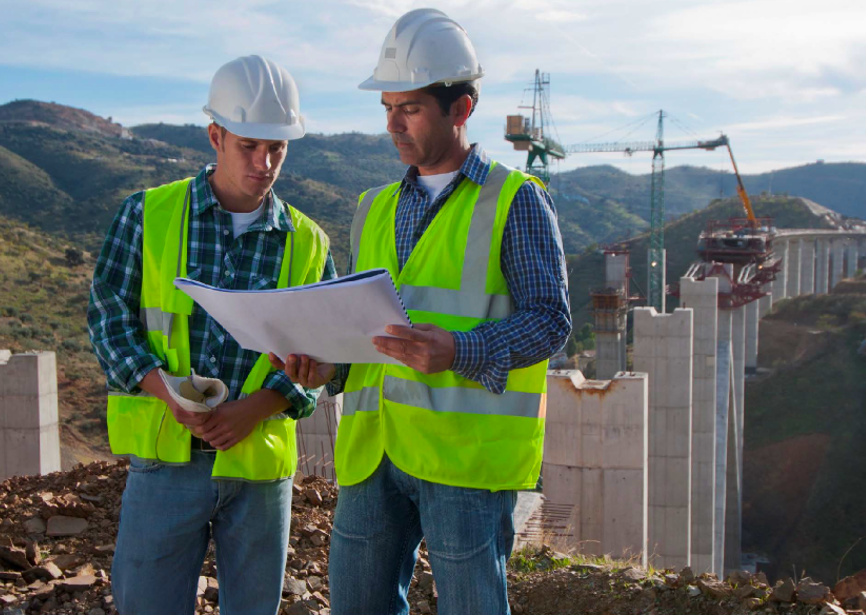
The PMI construction certification program arrives at a useful moment for the building sector. Construction needs a productivity lift right now, and few industries face tighter pressure today. So a fresh credential aimed squarely at this field lands at the right time.
Why the PMI construction certification program matters now
Supply chain problems sparked by the Covid pandemic still ripple through the sector. Energy costs have since added more strain. As a result, inflation keeps pushing material prices higher across most developed economies.
Margins are thin. Material costs keep climbing, yet contract pricing often locks in for years. Consequently many firms in the sector struggle to stay healthy in a high-inflation market. Better cost control is hard to find, so a structured skill set helps.
Delays compound these troubles. A late delivery can trigger penalties, and rework eats into already slim returns. Therefore predictable planning has become a survival tool, not a luxury. Skilled coordination keeps crews, suppliers and owners moving in step, which protects both the schedule and the budget.
What the new credential sets out to do
Project Management Institute (PMI) built this credential for the construction field. The timing looks fortunate, because the need for sharper delivery has rarely felt this urgent.
Better cost management does not happen overnight. Instead, it asks everyone in an organisation to pull toward one goal. Therefore the program centres on alignment, so teams aim for the best possible outcomes on every build. Moreover it frames project skills as a shared language across trades, owners and contractors.
How it connects to wider project management training
This credential sits alongside the broader path many professionals already follow. For example, the PMP certification course suits experienced leaders, while the CAPM certification course fits those starting out. Likewise, teams that run iterative work can look at agile certification courses for a complementary skill set.
Construction firms often blend these credentials. A site manager might hold a general project management certificate, then add a construction-focused one for deeper sector context. As a result, the team gains both broad method and specific industry know-how.
Employers also value a clear development path. Veterans returning to civilian work can explore PMP for veterans and apply earned benefits toward a recognised credential. Similarly, firms that want to upskill whole teams can arrange group training rather than send people one by one. Such planning keeps skills consistent across a busy site.
Getting started
Anyone weighing this path can compare options before committing. You can review the official details on the PMI website, then map a route that matches your role. Meanwhile, our team is happy to help you choose, so reach out by emailing [email protected] for more information.
Construction has waited a long time for a credential built around its own pressures. Now one exists, and the timing could hardly be better.
Tags:
Related Articles



Explore PMCOE's PMI training programmes
PMP, CAPM, PMI-ACP, PMI-CP — live instructor-led cohorts taught by named credentialed practitioners.